Women's T20 World Cup 2026 Australia vs England Fixture Preview
Share this article
If India-Pakistan is the women's cycle's most-watched fixture, Australia-England is its most-decisive. The two sides have shared every meaningful women's ICC trophy of the last decade, and the 2026 group-stage meeting in England will, on the available evidence, set the seeding context for the knockout draw. This preview reads the venue, broadcast and squad picture as it stands in May 2026.
The basics, simply
| Item | Indicative position |
|---|---|
| Tournament | Women's T20 World Cup 2026 |
| Host | England |
| Window | June 2026 (group stage) |
| Format | T20I |
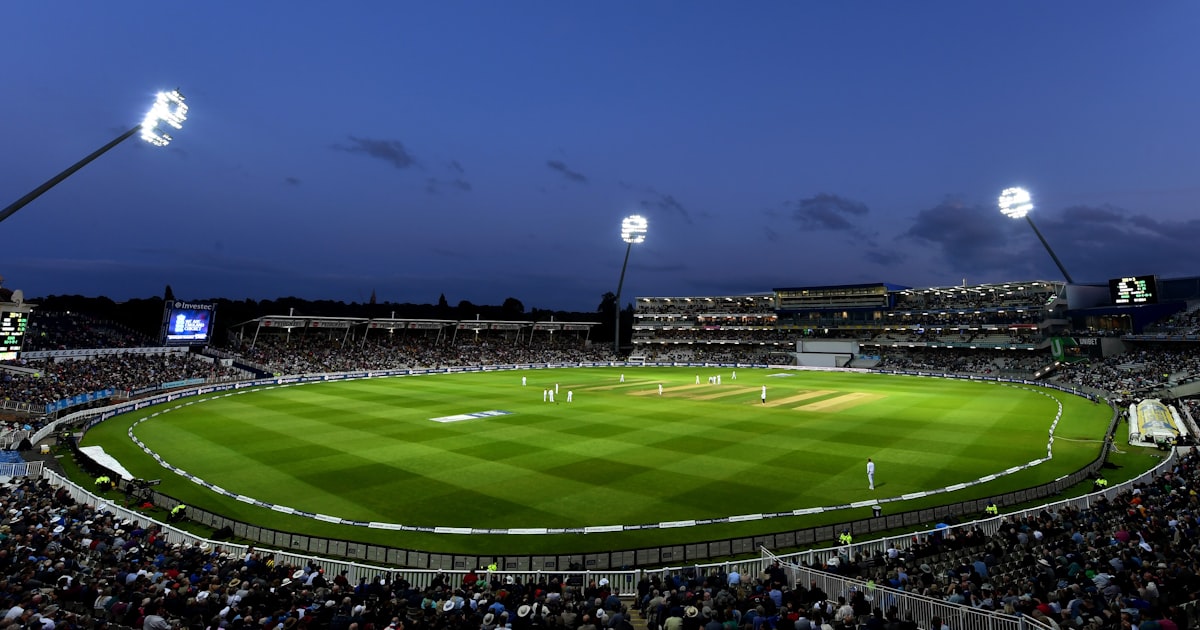
| Indicative venue | Edgbaston (Birmingham) or The Oval (London) |
| Broadcast | Sky Sports (UK); Foxtel / partner (AUS); Star / JioHotstar (IN); ICC.tv |
Final venue and broadcast lines will be confirmed at the ICC fixture release. For broader context, see the Women's T20 World Cup 2026 favourites and dark-horses analysis.
What an Australia women XI could look like (indicative)
Australia's working T20I core has been the cycle's benchmark. An indicative XI: Beth Mooney, Phoebe Litchfield, Alyssa Healy (keeper, captain), Ellyse Perry, Tahlia McGrath, Ash Gardner, Annabel Sutherland, Sophie Molineux, Megan Schutt, Darcie Brown, Alana King. Selection will move two-three names depending on conditions; the shape — top-order accumulation, all-round middle, pace-spin balance — is the working frame.
What an England women XI could look like (indicative)
England's working T20I core in 2026: Tammy Beaumont, Maia Bouchier, Heather Knight (captain), Nat Sciver-Brunt, Amy Jones (keeper), Sophia Dunkley, Alice Capsey, Sophie Ecclestone, Lauren Bell, Kate Cross / Mahika Gaur, Charlie Dean. Selection and conditions will move several names. The shape — top-order release, all-round middle, two strike-bowlers — is the meaningful frame.
The tactical picture
The match will likely be decided by three contests. First, the powerplay: Australia's Litchfield-Mooney pair vs England's Bell-Gaur new-ball plan. Second, the middle overs: Sophie Ecclestone's spin against Australia's middle-order acceleration phase. Third, the death overs: Schutt-Brown for Australia vs whichever combination England settle on for overs 17-20. Each is finely balanced; together, they explain why these matches are rarely decided by more than 10 runs.
The conditions frame
England's June surfaces vary by venue. Edgbaston favours stroke-makers; The Oval has been run-friendly with shorter boundaries on one side; Bristol and Hove can offer two-paced conditions for spinners. Australia have spent enough cycles in England — including the 2017 World Cup and multiple Ashes legs — to be comfortable. England, of course, are at home. Neither side has a meaningful conditions advantage; both have planning depth.
Broadcast and ticketing
Sky Sports will hold UK rights as host broadcaster. Foxtel and the Australian free-to-air partner will hold Australia rights. Star Sports and JioHotstar will hold India rights. ICC.tv will carry unallocated regions. Streaming-first watching will dominate the audience. Ticketing will route through the ICC and ECB's host platform in two phases — registered ballot and general sale.
Why this match shapes the knockout draw
Group-stage results compound under T20 World Cup formats. A winner of an Australia-England head-to-head likely tops the group, which lightens the semi-final draw. A loser does not get to reset; group results carry into seeding. That makes a fixture between two of the world's top three women's sides high-stakes long before the knockout stage.
The Perry question
A specific selection conversation is worth flagging. Ellyse Perry's batting position — see the Perry batting-role row 2026 explained — will be tested in this match. If Australia bat first against England's pace pair, Perry at No. 4 makes sense. If England's spin-heavy plan dictates a chase against the new ball, Perry at No. 5 may be preferred. The decision will tell us how Australia want to use her in the rest of the tournament.
What it is not
A clarification, because favourite-vs-favourite framing can drift. The match is a group fixture. The result is meaningful for seeding but not final for either team's tournament. Both sides have squad depth to absorb a loss. Treat the result as informational at the seeding level and as a tactical-form indicator at the team level.
What to watch in the build-up
Five signals. First, the ICC fixture release — venue and date binding. Second, the multi-format Ashes that precedes the World Cup, which will be the truest dress rehearsal. Third, captaincy continuity — Healy for Australia, Knight for England. Fourth, senior-pacer fitness on both sides. Fifth, the spin selection — Australia's King vs England's Ecclestone-Dean axis is the cycle's most interesting middle-overs match-up.
Forward look
Australia and England continue to set the standard for women's T20 cricket. In a World Cup hosted in England, the head-to-head will be one of the most-watched non-IND-PAK fixtures of the cycle and almost certainly the most tactically interesting. We will refresh this preview as the ICC fixture release, broadcast partners and ticketing platforms firm up. The frame here is indicative; the match itself, on current form, is too close to call.
Share this article
Karthik Iyer
Expert in: InternationalCricket analyst and content writer at CricJosh, covering International with 473 articles published.
Related Articles

4 min read · 21 May 2026
4 min read · 21 May 2026
5 min read · 21 May 2026